



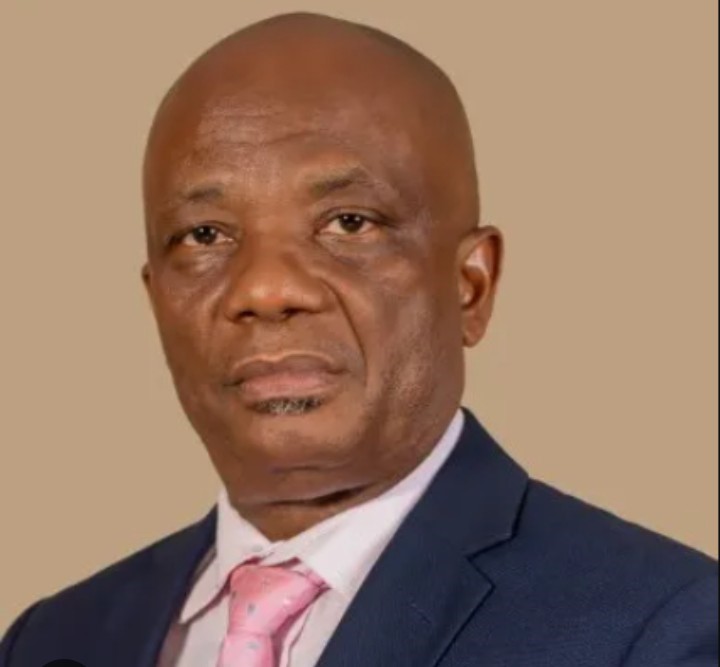
The Secretary-General of the Abuja Memorandum of Understanding (MoU), Captain Sunday Umoren, has announced that approximately 200 Port State Control Officers (PSCOs) across West and Central Africa will benefit from a structured training programme under a new five-year regional capacity-building initiative.
Speaking at the inauguration of the programme in Lagos on Monday, June 29, 2026 , Umoren said the initiative, supported by Lloyd’s Register Foundation, is designed to transform PSC systems through a comprehensive four-pillar framework.
He explained that the first pillar, People, will focus on structured training for about 200 Port State Control Officers using a train-the-trainer model, stressing that the programme goes beyond knowledge transfer to building practical competence and institutional capacity.
According to him, the second pillar, Mentorship and Professional Development, seeks to harness the region’s existing expertise and create mechanisms for experienced professionals to transfer knowledge and skills to the next generation of inspectors.
The third pillar, Governance and Regulatory Alignment, will support member states in strengthening legal and institutional frameworks through the ratification, domestication, implementation and enforcement of relevant international maritime conventions, while also improving readiness for the International Maritime Organization (IMO) Member State Audit Scheme.
Umoren said the fourth pillar, Performance and Data, is aimed at transforming the Abuja MoU Information System (AMIS) into a strategic tool for regional analysis, accountability and evidence-based decision-making, rather than merely a platform for uploading inspection reports.
He noted that the programme is expected to produce more competent inspectors, improve compliance with regional inspection targets, strengthen national maritime administrations and reduce the prevalence of substandard shipping in the region.
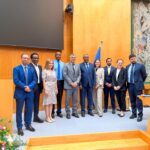
The workshop, themed “A Future-Ready Port State Control Regime: Leadership, People, Governance, and Performance for Safer Maritime Systems,” brought together maritime regulators, policymakers and international partners from across West and Central Africa.
He described Port State Control as a critical line of defence against substandard shipping, noting that inspection failures can result in collisions, explosions, oil spills, machinery failures, abandoned crews and disruptions to international trade.
Umoren said the programme became necessary because only 16 of the 22 Abuja MoU member states consistently conducted Port State Control inspections between 2016 and 2025, while compliance with the regional target of inspecting at least 15 per cent of foreign vessels calling at national ports remained uneven.
He also identified challenges including inadequate personnel, limited technical capacity, weak legal frameworks, insufficient funding and poor data management systems.
The Secretary-General stressed that the initiative represents a shift from sporadic training interventions to a coordinated, long-term institutional strengthening programme aimed at producing more competent inspectors, improving inspection quality and reducing the presence of substandard ships in the region.
He called on member states to demonstrate commitment by appointing national focal points, nominating qualified participants, retaining trained officers in relevant positions and providing the resources necessary for effective implementation.
Umoren further urged maritime administrations, regional partners and international organisations to work together to ensure the programme delivers measurable results over the next five years.
“A Port State Control regime is only as strong as the men and women who conduct the inspections, interpret the conventions, and enforce the standards. Without adequately trained, empowered, and motivated inspectors, our PSC systems remain theoretical constructs rather than effective operational tools.
“Lloyd’s Register Foundation brings support. International and regional partners bring expertise. The Secretariat brings coordination. Member States bring sovereign authority, inspectors, laws, budgets and implementation. When each party does its part, the region moves forward.” He said.